
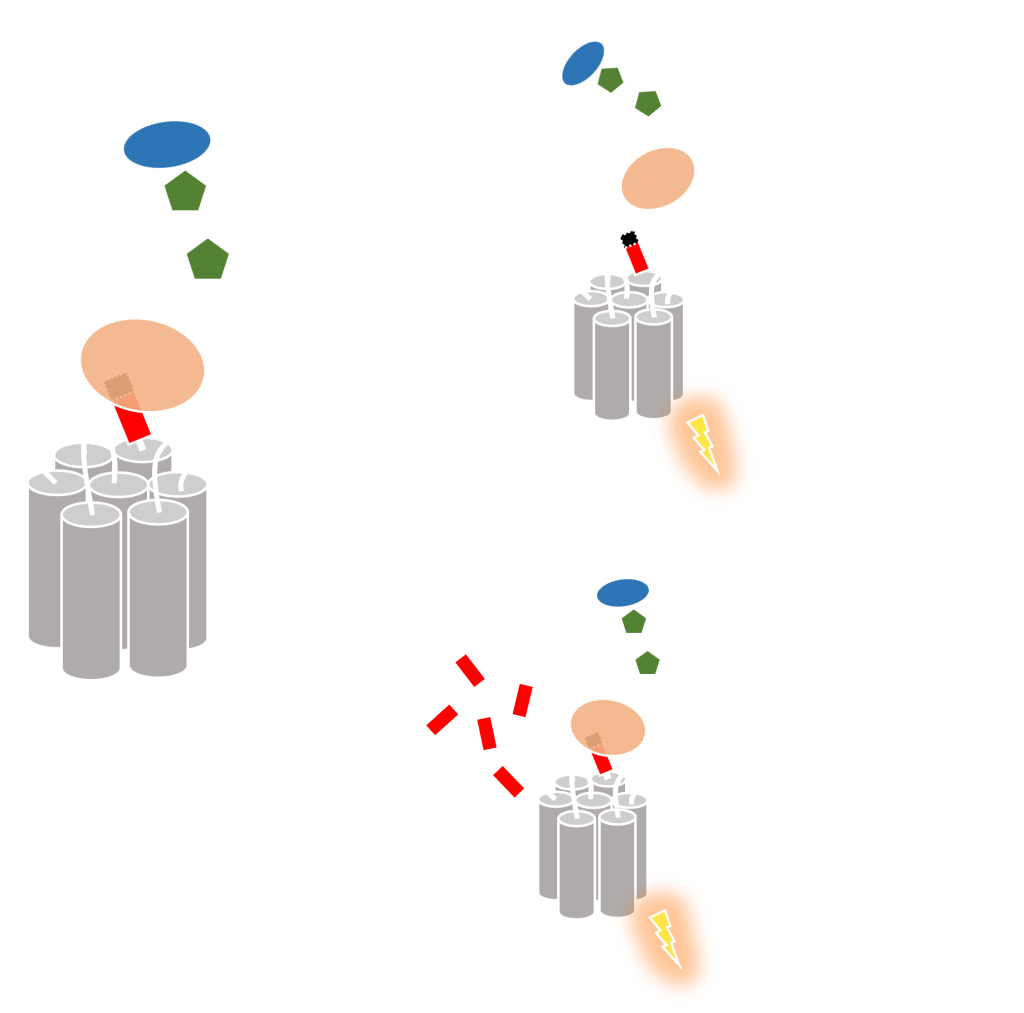
Our lab investigates the physiological significance of understudied adhesion-class G protein coupled receptors. The distinguishing feature of aGPCRs is a cryptic tethered ligand that facilitates receptor self-activation. We study aGPCRs in the context of renal physiology using a combination of in vivo, ex vivo, and in vitro tools. These investigations push our lab into new directions and generate new projects.
Projects
Adgrf5 (Gpr116) in the Kidney
We are investigating the physiological significance of Adgrf5 in the kidney. Our previous studies revealed Adgrf5 to be a significant regulator of renal acid secretion through its control of V-ATPase proton pumps on the surface of A-type intercalated cells in the collecting duct. Our ongoing studies aim to identify cell-specific transcript variants, define downstream effectors of Adgrf5 and discover endogenous activators for Adgrf5 in the distal nephron. , and understand the therapeutic potential of chronic acid secretion from the distal nephron.
Investigators:
Hailey Steichen
Teagan Yan
Collaborators:

Adgrg1 (Gpr56) in the Kidney
We are investigating the physiological significance of Adgrg1 in the kidney. Previous studies demonstrated collagen III-mediated orthosteric Adgrg1 activation. We have mapped expression of Adgrg1 along the nephron and are currently generating kidney-specific Adgrg1 mutant mice and characterizing their phenotypes.
Investigators:
Jason Xue
Collaborators:
Acid-Base Regulation and Response in the Kidney
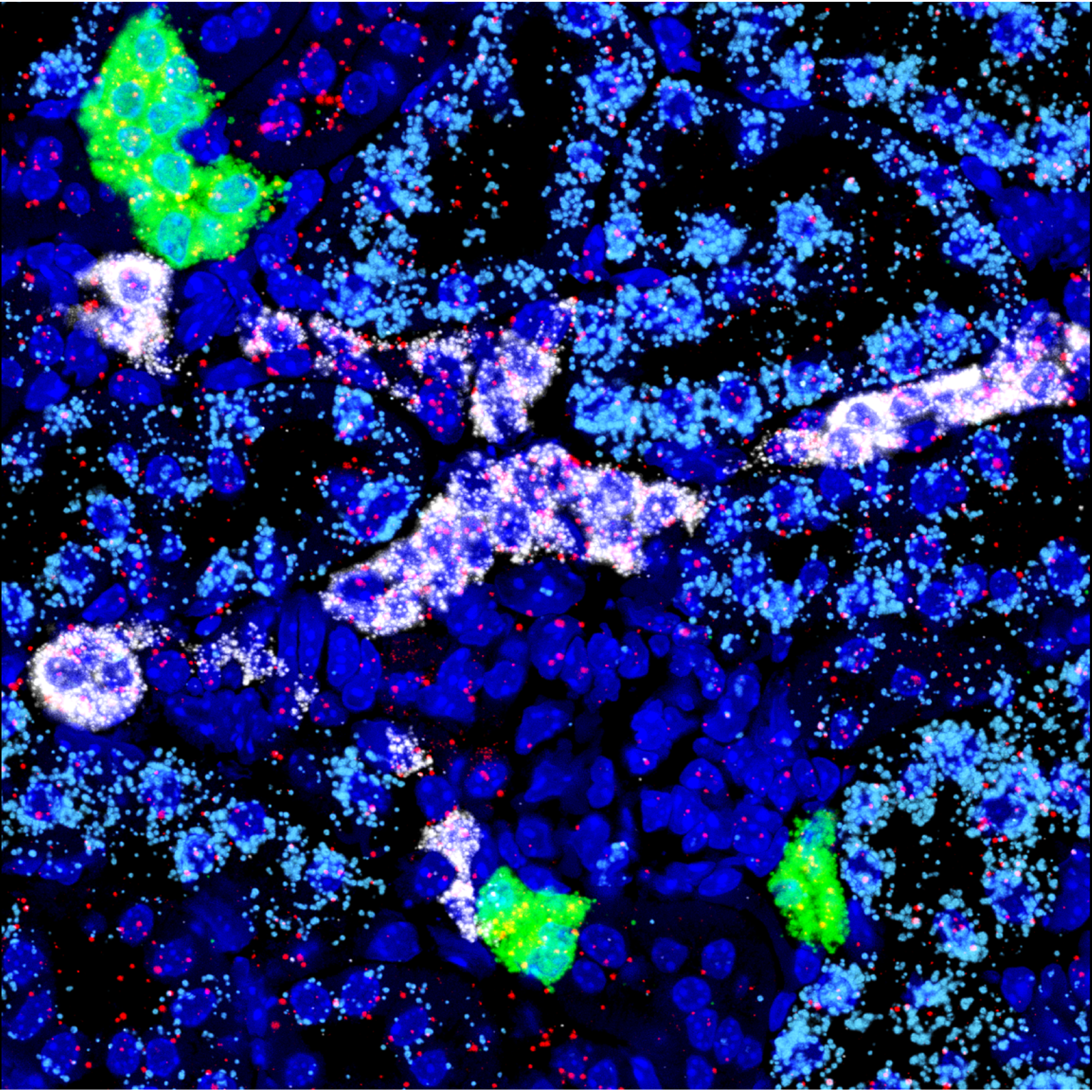
Our lab is interested in how the kidney responds to acute and chronic acid-base disturbances. We have developed tools to study the differentiation of renal intercalated cells in vitro. Additionally, we are investigating the therapeutic potential of chronic acid secretion from the distal nephron in the context of kidney disease and metabolic acidosis.
Investigators:
Krystin Eaton
Jason Xue
Teagan Yan
Nathan Zaidman
Collaborators:

 Zaidman Physiology Lab